The Benefits of Temporary Healthcare Facilities
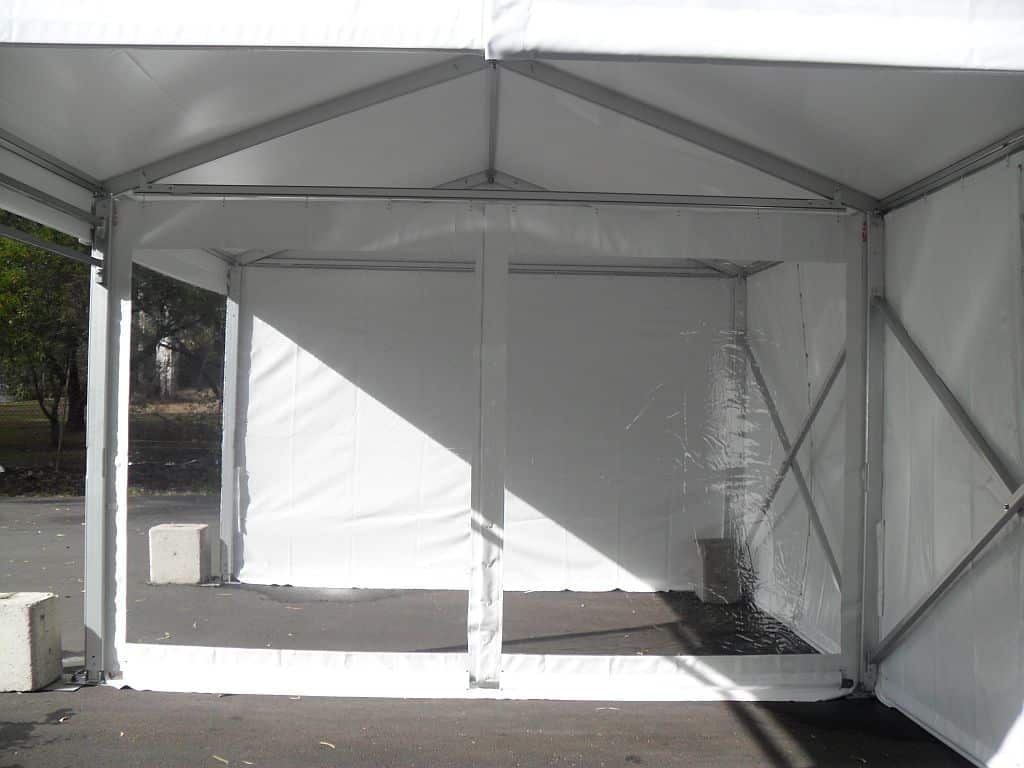
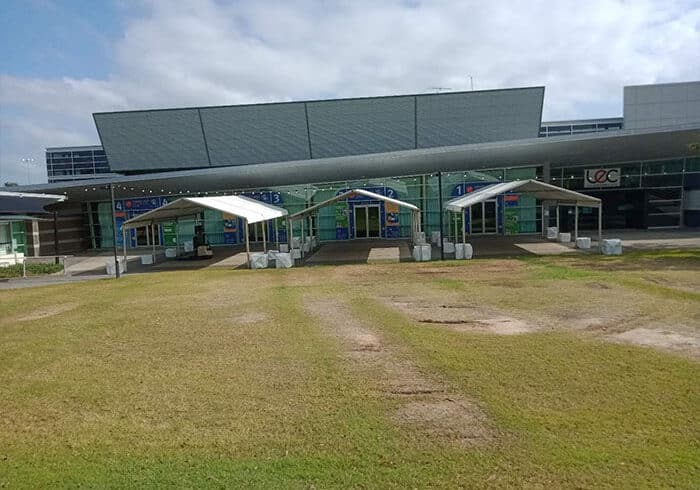
Temporary healthcare facilities are essential in today’s fast-paced and unpredictable world, especially in urban centers like Brisbane. These facilities offer a flexible and scalable solution to address various healthcare challenges, ensuring that patient care remains uninterrupted and efficient. Are your temporary structures failing you unexpectedly? Discover how temporary healthcare facilities can transform your approach to healthcare management.
Addressing Patient Surges and Staff Shortages
One of the primary benefits of temporary healthcare facilities is their ability to manage patient surges effectively. During peak times, such as flu seasons or pandemics, hospitals can become overwhelmed with the influx of patients. Temporary healthcare facilities provide the necessary space to accommodate these patients, ensuring that everyone receives timely and quality care.
Key Benefits:
- Flexibility: Can be set up quickly to respond to immediate needs.
- Scalability: Can be expanded or reduced based on demand.
- Mobility: Can be relocated to different areas as needed.
Creating Additional Space for Safe and Efficient Care
Temporary healthcare facilities also play a crucial role in creating additional space for safe and efficient care. This is particularly important in scenarios where hospitals need to separate patients with infectious diseases from those with other health issues.
Advantages:
- Enhanced Safety: Reduces the risk of cross-contamination.
- Improved Efficiency: Helps in better management of patient flow.
- Specialized Areas: Can be customized for specific medical needs, such as isolation units or vaccination centers.
Rapid Deployment for Urgent Needs
In situations such as natural disasters or public health emergencies, the rapid deployment of healthcare facilities is critical. Temporary healthcare facilities can be deployed quickly to provide immediate care to those affected.
Rapid Deployment:
- Assessment: Quick evaluation of the site and requirements.
- Setup: Rapid assembly of the temporary facility.
- Operation: Immediate commencement of healthcare services.
Cost-Effective Solutions for Expanding Healthcare Capacity
Expanding healthcare capacity through traditional construction can be time-consuming and expensive. Temporary healthcare facilities offer a cost-effective alternative that can be implemented in a fraction of the time and at a lower cost.
Cost Benefits:
- Lower Initial Investment: Less expensive than permanent structures.
- Reduced Operational Costs: More affordable to maintain.
- Temporary and Permanent Solutions: Can be used as a stopgap measure while permanent facilities are built.
Temporary Healthcare Facilities: Applications and Use Cases
Temporary healthcare facilities are versatile and can be used in a variety of scenarios to meet different healthcare needs.
Applications:
- Remote Areas: Providing healthcare access in underserved regions.
- Nursing Agency: Supporting agencies with temporary setups for patient care.
- Mental Health: Creating dedicated spaces for mental health services.
- Disaster Response: Quick deployment in disaster-stricken areas.
- Insurance Claims: Setting up temporary inspection centers for faster processing.
Ensuring Quality Care in Temporary Healthcare Settings
Ensuring quality care in temporary healthcare settings requires meticulous planning and execution. This includes recruiting highly skilled healthcare professionals, establishing efficient processes, and maintaining high standards of care.
Quality Assurance:
- Staffing Solutions: Partnering with agencies to provide registered nurses and other healthcare professionals.
- Recruitment Process: Ensuring a thorough and efficient recruitment process to hire the best talent.
- Customer Service: Providing exceptional customer service to patients and staff.
- Long Term Use: Designing facilities that can be used long term if necessary.
Addressing Patient Surges and Staff Shortages
Managing patient surges and staff shortages is a constant challenge for healthcare providers. Temporary healthcare facilities offer a viable solution by providing the necessary infrastructure to handle increased patient loads. These facilities can be set up rapidly, offering immediate relief to overburdened hospitals and clinics.
Strategies for Addressing Surges:
- Flexible Staffing: Utilize a nursing agency to provide additional staff during peak times.
- Modular Design: Implement modular facilities that can be expanded or contracted based on patient volume.
- Technology Integration: Equip temporary facilities with advanced medical technology to ensure high-quality care.
By adopting these strategies, healthcare providers can ensure they are prepared to handle patient surges without compromising the quality of care.
Creating Additional Space for Safe and Efficient Care
Temporary healthcare facilities provide the additional space needed to ensure safe and efficient care. These facilities can be customized to meet specific medical requirements, such as isolation units for infectious diseases or specialized wards for mental health services. By creating dedicated spaces, healthcare providers can improve patient outcomes and enhance overall efficiency.
Key Considerations:
- Patient Flow: Design facilities to optimize patient flow and reduce wait times.
- Safety Protocols: Implement strict safety protocols to minimize the risk of cross-contamination.
- Staff Training: Provide comprehensive training for staff to ensure they are equipped to handle the unique challenges of temporary healthcare settings.
By focusing on these key considerations, healthcare providers can create a safe and efficient environment for patient care.
Rapid Deployment for Urgent Needs
In emergencies, the ability to deploy healthcare facilities rapidly is crucial. Temporary healthcare facilities can be set up quickly to provide immediate care to those affected. This rapid deployment capability makes them an essential component of disaster response and emergency preparedness.
Deployment Steps:
- Assessment: Conduct a rapid assessment of the site and healthcare needs.
- Logistics: Coordinate logistics for transporting and setting up the facility.
- Operation: Begin providing healthcare services as soon as the facility is operational.
By following these steps, healthcare providers can ensure they are prepared to respond to urgent needs effectively.
Cost-Effective Solutions for Expanding Healthcare Capacity
Expanding healthcare capacity through traditional construction can be expensive and time-consuming. Temporary healthcare facilities offer a cost-effective alternative that can be implemented quickly and efficiently. These facilities provide the flexibility to scale up or down based on demand, making them an ideal solution for expanding healthcare capacity.
Financial Benefits:
- Lower Capital Investment: Temporary facilities require a lower initial investment compared to permanent structures.
- Operational Savings: Reduced operational costs due to the temporary nature of the facilities.
- Scalable Solutions: Ability to scale operations based on demand, ensuring cost-effectiveness.
By leveraging these financial benefits, healthcare providers can expand their capacity without incurring significant expenses.
Temporary Healthcare Facilities: Applications and Use Cases
Temporary healthcare facilities have a wide range of applications and use cases, making them a versatile solution for various healthcare needs.
Use Cases:
- Remote Areas: Providing healthcare services in remote and underserved areas.
- Nursing Agency Support: Offering temporary setups for nursing agencies to deliver patient care.
- Mental Health Services: Creating specialized spaces for mental health treatment.
- Disaster Response: Deploying quickly in response to natural disasters or emergencies.
- Insurance Claims: Setting up temporary inspection centers to expedite insurance claims processing.
These use cases demonstrate the versatility and effectiveness of temporary healthcare facilities in meeting diverse healthcare needs.
Ensuring Quality Care in Temporary Healthcare Settings
Ensuring quality care in temporary healthcare settings requires a comprehensive approach that includes recruiting highly skilled healthcare professionals, establishing efficient processes, and maintaining high standards of care.
Quality Assurance Measures:
- Staffing Solutions: Partner with reputable agencies to provide registered nurses and other healthcare professionals.
- Training Programs: Implement training programs to equip staff with the necessary skills and knowledge.
- Customer Service: Focus on providing exceptional customer service to patients and staff.
- Long-Term Planning: Design facilities with the flexibility to be used long term if needed.
By implementing these quality assurance measures, healthcare providers can ensure that temporary healthcare facilities deliver high-quality care to patients.
The Three-Step Process for Implementing Temporary Healthcare Facilities
Implementing temporary healthcare facilities can be streamlined through a simple three-step process.
Step 1: Assessment
- Evaluate the site and determine the specific healthcare needs.
- Identify the resources and infrastructure required for the temporary facility.
Step 2: Setup
- Coordinate logistics for transporting and assembling the temporary facility.
- Ensure all necessary medical equipment and supplies are in place.
Step 3: Operation
- Begin providing healthcare services as soon as the facility is operational.
- Monitor and adjust operations to ensure efficiency and quality of care.
By following this three-step process, healthcare providers can implement temporary healthcare facilities quickly and efficiently.
Temporary healthcare facilities are a crucial component of modern healthcare infrastructure. They offer flexible, scalable, and cost-effective solutions to meet the increasing demands of healthcare services. Whether addressing patient surges, providing care in remote areas, or responding to emergencies, these facilities ensure that healthcare delivery remains uninterrupted and efficient. Ensure uninterrupted progress with our site coverage solutions by partnering with Excel Event Hire, your trusted provider for high-quality temporary healthcare facilities in Brisbane.